Podcast
Episode 36: The Art of Anticipatory Hospitality with The Boca Raton
As luxury hospitality continues to evolve, The Boca Raton offers a compelling reminder that while innovation, design, and technology all play important roles, the most memorable experiences will always be built around people.
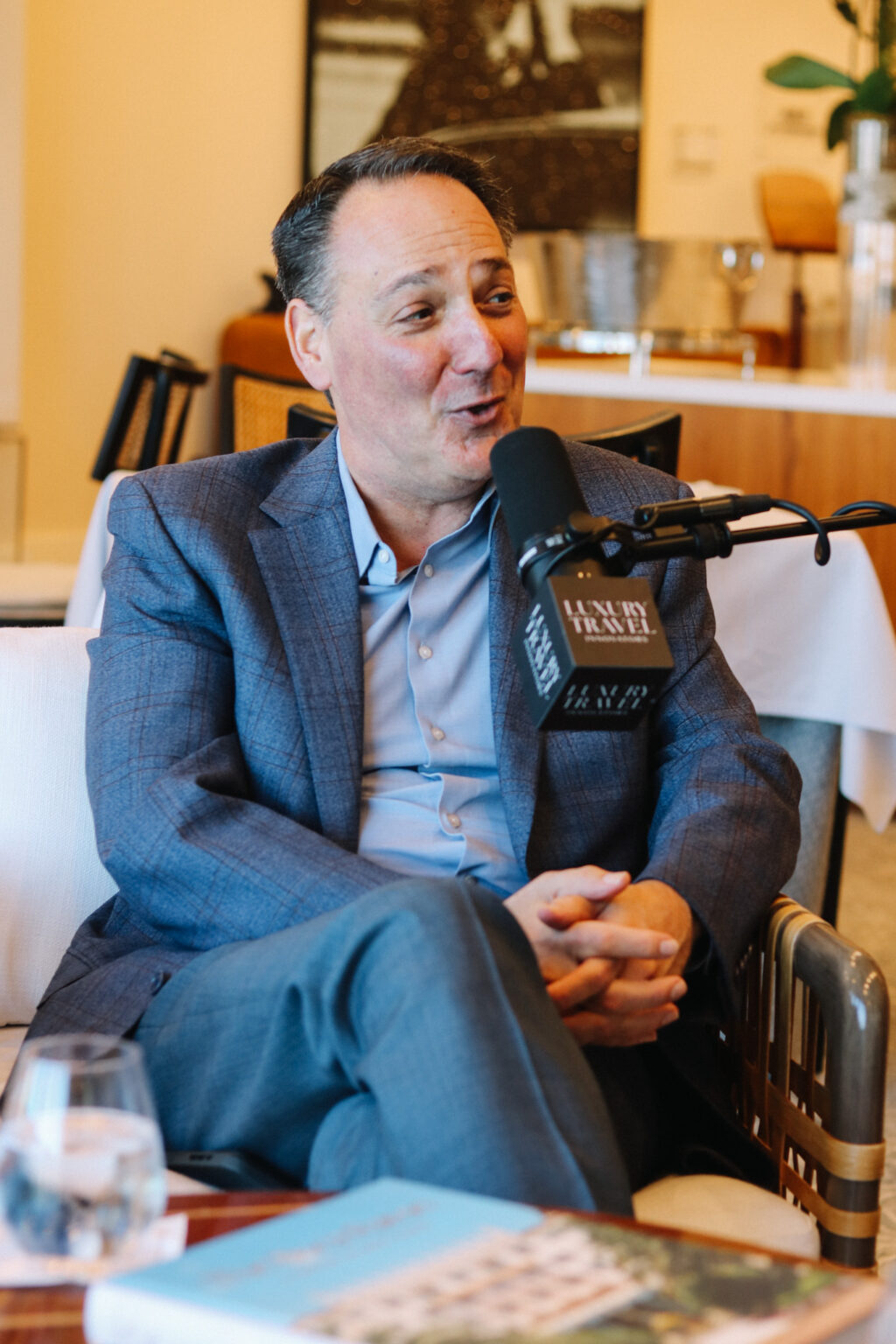
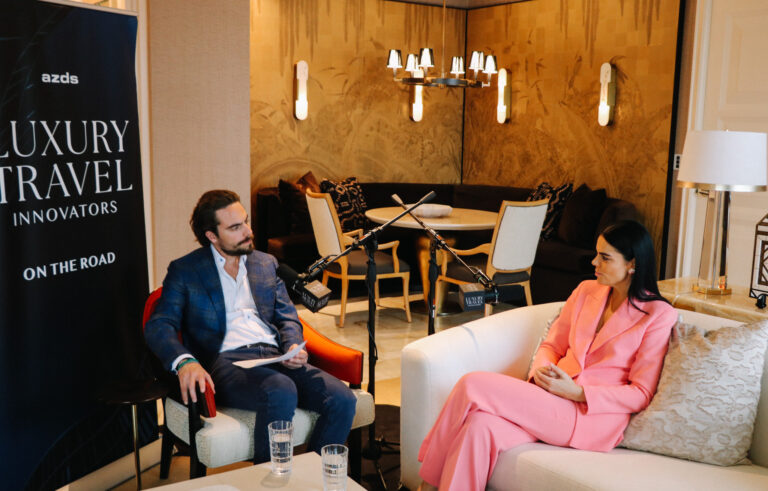
Overlooking the azure waters of Lake Boca Raton Intercoastal with ocean waves just beyond, I sat down with Daniel Hostettler, President and CEO of The Boca Raton, to explore how the luxury hospitality landscape has evolved dramatically over the past decade, and how one of Florida’s most iconic resorts has reimagined itself for a new era of luxury travel. While exceptional accommodations and world-class amenities remain expected, today’s travelers are increasingly seeking something less tangible but for more memorable: experiences that feel personal. Rather than defining luxury for guests, the industry’s leading hotels are learning to listen first, tailoring every detail around the reason someone is traveling and what matters most to them. It’s a shift from delivering flawless service to creating meaningful connections, and few properties embody that evolution better than The Boca Raton.
Originally opened in 1926, the historic property has undergone an ambitious transformation over the past several years, balancing nearly a century of heritage with a modern vision centered on personalization, wellness, and thoughtful hospitality. Mr. Hostettler offered a fascinating look at how a resort approaching 1,000 guestrooms can still deliver the warmth and intimacy often associated with boutique luxury hotels.
Rather than operating as one large resort, The Boca Raton functions as five distinct hotel experiences, each designed with a different traveler in mind. Families gravitate toward accommodations built around connecting rooms and easy access to the expansive pool complex like Tower, while adults seeking a quieter retreat can enjoy the Yacht Club’s all-suite, adults-only environment. Longer stays are centered around private Bungalow residences, while the historic Cloister continues to appeal to guests drawn to the property’s architectural legacy. Although every guest enjoys access to the resort’s extensive collection of amenities (golf, tennis, the beach club, spa, restaurants, and more) the experience feels intentionally curated from the moment a member makes their reservation.
Luxury was once defined almost entirely by the hotel. Thread count, fine china, formal dining, and impeccable service established a universal standard that guests were expected to embrace. Today, however, luxury is far more individual. A couple celebrating an anniversary wants something entirely different than a family traveling with young children, and even the same guest may have different expectations depending on who they’re traveling with. The role of today’s luxury hotel isn’t to prescribe an experience, but to understand each guest’s unique purpose and build a stay around it, with curation as the defining characteristic of modern luxury.
“If a guest asks us to do something and we do it, that’s the easy way of delivering luxury service. The harder way is figuring out what they want before they’ve ever had to ask.”
Wellness has become one of the fastest growing pillars of luxury travel, no longer viewed as a supplementary amenity but as a central reason guests choose a destination. At The Boca Raton, that evolution includes a 50,000-square-foot spa, an expanding medical wellness (think: robot massage and a red light table system), and the addition of a three-story fitness center currently under development. Mr. Hostettler notes that today’s guests are increasingly prioritizing health, movement, and long-term wellbeing, and luxury hotels must evolve alongside those expectations. Multi-generational travel is another pillar that continues to accelerate, and The Boca Raton’s unique campus naturally supports this dynamic.
Personalization for the guest can begin while curating their experience with a travel advisor. It also extends to company culture. Under Mr. Hostettler’s leadership, The Boca Raton set an ambitious goal of becoming a “25-star property,” using Forbes Five-Star standards as the foundation for every aspect of its operations. Rather than viewing those standards as a checklist for inspections, the team integrated them into daily culture, service philosophy, and employee development. Promotion from within, ongoing development, and celebrating moments of outstanding service all contribute to an environment where team members take pride in creating memorable experiences. That commitment has since resulted in the property earning four separate Forbes Five-Star distinctions—an achievement shared by only a handful of hotels worldwide. Employees are encouraged to treat one another with the same warmth, respect, and attentiveness expected in front of guests.
To wrap up, I ended with LTI’s signature rapid fire questions. For personal travel, Mr. Hostettler is renting a villa in Nevis with his family this summer. Looking back at the glamorous days of travel in the past, he remarks on the elegance, complete with gentlemen in jackets for dinner service and dressing up for flights. Looking towards the future, he sees AI as an opportunity to enhance (not replace) the human side of service. By streamlining administrative tasks and helping hotels better understand guest preferences, technology can free employees to spend more time doing what matters most: building relationships, anticipating needs, and creating moments that no algorithm can replicate.
Thank you, Daniel, for joining me on this episode of Luxury Travel Innovators. The full episode is available to listen to and watch on Spotify, Apple Podcasts and Youtube.