Podcast
Episode 38: Curating an Authentic Sense of Connection in Hospitality with WoodHouse
Some hospitality leaders build hotels. Others build brands. WoodHouse has spent years building communities.
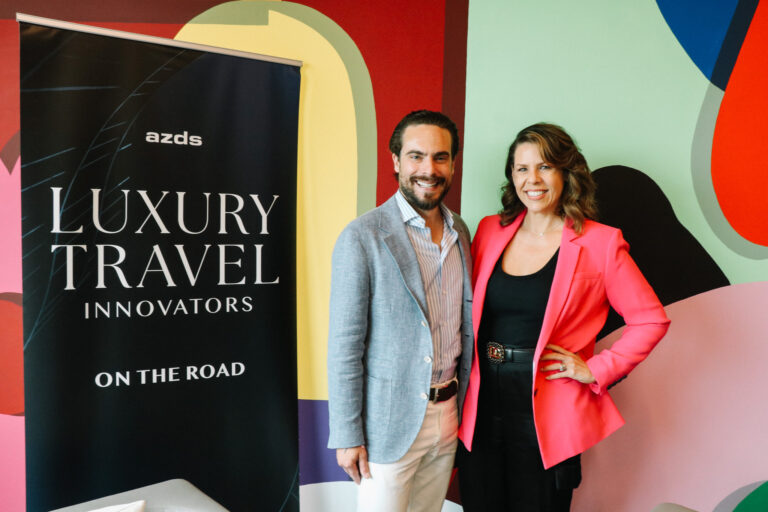
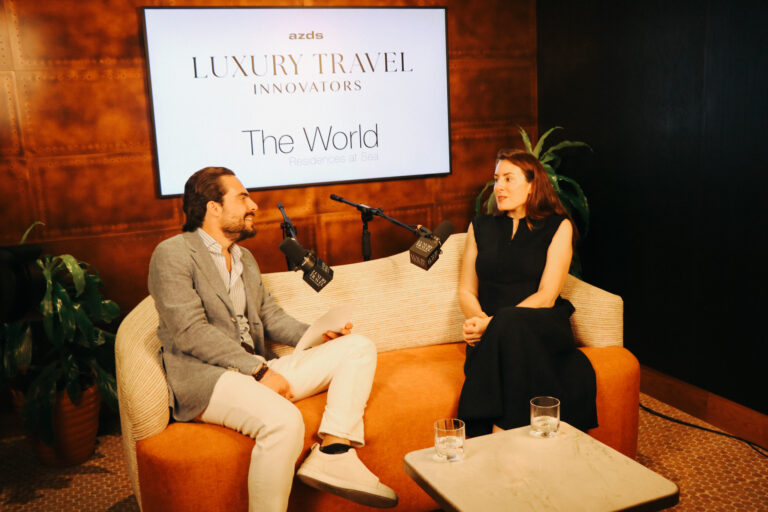
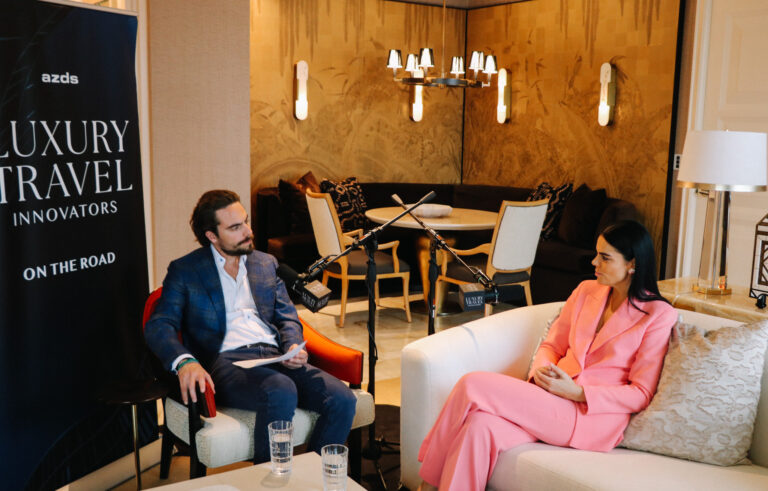
Every once in a while, hospitality reminds you just how small the world really is. When I sat down with Simon Sorpresi at The Moore in Miami’s Design District, it had only been about a month since we’d unexpectedly reconnected after nearly 15 years as I was attending an event at The Moore. Back then, Simon was helping lead Shutters on the Beach and Hotel Casa del Mar in Los Angeles (two longtime AZDS partners). Somehow, despite all the years and miles between us, it felt like we’d picked up the conversation right where we left off. That sense of connection ended up becoming the thread that ran through our entire conversation.
Today, Simon serves as President of Members Clubs and Hotels for WoodHouse, a hospitality company reimagining what private membership clubs can be. As we recorded inside The Moore (WoodHouse’s stunning flagship club) it became clear that the company isn’t simply building beautiful spaces. It’s building communities.
The Moore itself is unlike almost anything else in hospitality. Equal parts members club, luxury hotel, culinary destination, and cultural hub, it brings together Michelin-recognized dining, rooftop experiences, wellness, creative workspaces, and curated programming under one roof. Rather than creating a repeatable prototype, every future WoodHouse location is designed to reflect the personality of its city and neighborhood, embracing local culture instead of applying a one-size-fits-all brand.
Simon’s career has been anything but conventional. He studied architecture in Switzerland before launching hospitality ventures in Europe and New York, eventually returning to luxury hotels with Shutters and Casa. From there, he helped build Ennismore into one of the industry’s most influential lifestyle companies before joining WoodHouse to help shape its next chapter. That entrepreneurial background gives him a unique perspective on why private clubs are suddenly everywhere. While exclusivity often gets the headlines, Simon believes their popularity comes down to something much more fundamental: people are looking for places where they genuinely belong. In a world where so much of our communication happens digitally, we’re craving spaces where conversations happen naturally, friendships form organically, and communities feel authentic.
Of course, creating that environment takes much more than beautiful architecture. One statistic that immediately stood out was that The Moore hosted more than 500 curated events in a single year. From intimate concerts and AI discussions to wine tastings, watchmaking workshops, sushi classes and mahjong tournaments, the programming is intentionally diverse because the community itself is constantly evolving. Luxury, according to Simon, isn’t static. It should grow alongside the people who experience it.
The city surrounding The Moore is another example of transformation. Having lived in Miami since 2016, Simon has watched the Design District transform from a luxury shopping destination into one of the city’s most exciting cultural neighborhoods. Along with the explosive growth of areas like Wynwood, Midtown, and Edgewater, Miami has become one of the world’s most dynamic hospitality markets—a place where creativity, investment, and luxury continue to converge.
Technology naturally found its way into our discussion as well. WoodHouse is investing in AI and CRM technology to better understand member preferences, but he was quick to point out that data can only take hospitality so far. Technology should help anticipate needs, not replace genuine human interactions that guests remember long after they’ve checked out.
“Technology should help us anticipate needs—but it will never replace genuine hospitality.”
For Simon, true luxury isn’t defined by opulence. It’s about anticipation and understanding what someone needs before they ask. And perhaps most importantly, it’s about recognizing that today’s luxury traveler expects brands to adapt to them, not the other way around. Luxury hotels have mastered beautiful rooms, incredible restaurants, and exceptional spas. But too often, guests remain disconnected from the communities just outside the front door. He sees an opportunity for hotels to become cultural gateways, creating experiences that introduce travelers to local artists, musicians, chefs, and entrepreneurs instead of simply handing them a list of recommendations from the concierge.
We closed with LTI’s signature rapid fire questions. For personal travel, Simon is using the WoodHouse created “passport” and traversing the globe throughout summer to places including Paris, London, Saint-Tropez, Ibiza, and more (he’s also looking forward to a visit with his father-in-law in the US Northwest). Looking towards the past, he misses how people dressed up for the occasion, whether that be flying or travel in general. For future innovation, he believes there should be more of an effort to connect with the locals of whatever destination you are visiting.
Thank you, Simon, for joining me on this episode of Luxury Travel Innovators. The full episode is available to listen to and watch on Spotify, Apple Podcasts and Youtube.