Podcast
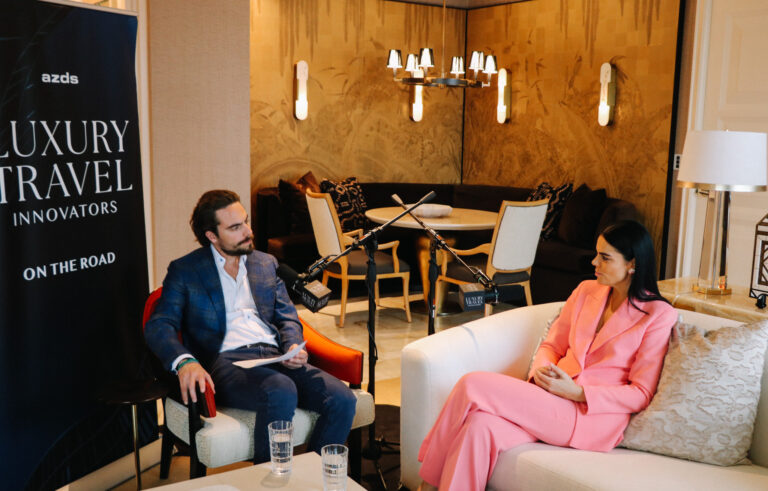
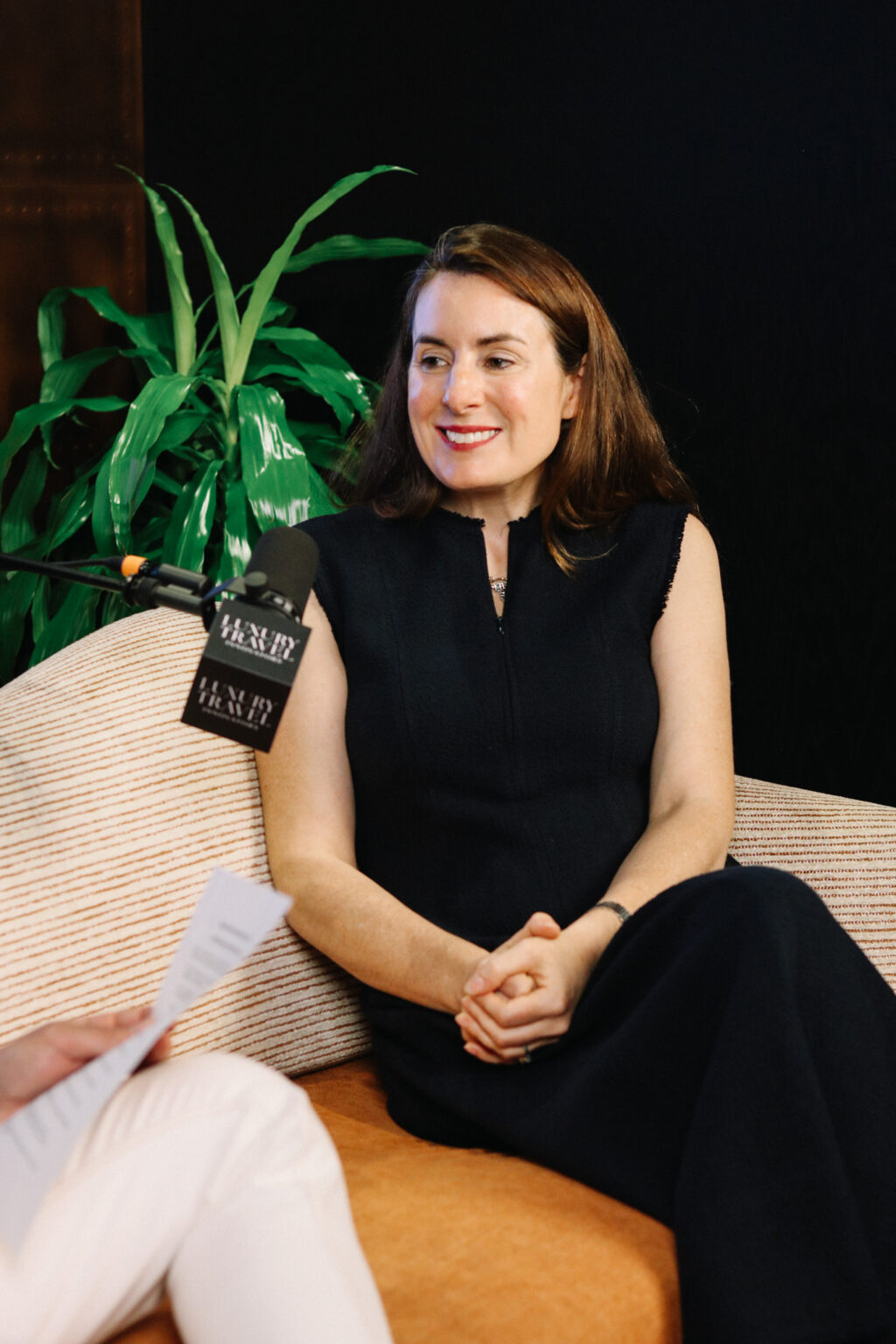
What happens when your home can travel the world with you? That question was at the heart of my conversation with Jessica Hoppe, CEO and President of The World, the largest privately owned residential yacht, when we sat down at The Moore in Miami. But our conversation quickly revealed that The World is about much more than the novelty of owning a residence at sea. From designing a lifestyle around personal freedom and immersive travel to building a true sense of community, The World offers a fascinating look at how luxury travelers are redefining what they expect from hospitality. And as technology continues to transform the industry, Jessica is equally focused on how innovation can enhance personalization without losing the human connection.
Jessica’s path to leading The World is just as unconventional. Originally a lawyer, she moved from big law into hospitality, eventually joining Crystal Cruises as General Counsel before moving to The World as General Counsel and Chief Administrative Officer. She became the company’s interim CEO in 2024 and was named permanent CEO several months later.
The concept behind The World is unique because it sits somewhere between luxury residential living, private membership, and global exploration. Launched in 2002, the ship originally combined private residences with a traditional cruise component. That model quickly evolved, however, when a group of residents purchased the remaining apartments, transforming The World into what it is today: a community collectively owned by its shareholders. There are 165 residences, ranging from studios to three-bedroom apartments with full kitchens, and owners can come aboard whenever they choose, depending on the ship’s itinerary and port restrictions.
What struck me most is how little The World actually resembles a traditional cruise. Many of its residents are experienced travelers who actively reject the idea that they are “cruisers.” Instead, the ship is designed to give them time to truly immerse themselves in each destination. The World can stay in major ports for three to five days, allowing residents to explore at their own pace, participate in bespoke experiences, or venture farther inland on what the company calls overland journeys. For residents who prefer adventure, there are also expeditions to places like Antarctica.
That flexibility extends to the itinerary itself. The World plans its routes as many as three years in advance, but the process is remarkably collaborative. A small shore-side team develops several options, working with the ship’s captains before bringing the proposals to a resident itinerary committee. Those residents contribute their own travel knowledge, memories, recommendations, and even ideas for festivals or emerging destinations. Eventually, the entire community votes on the itinerary. It is an example of how ownership can influence the travel experience itself, turning residents from consumers into active participants in shaping where their home goes next.
And that sense of ownership is quite literal. Residents receive residency rights and become shareholders in the company that owns the ship. They can also customize their residences extensively, with some owners completely renovating their apartments and bringing in their own designers and contractors during designated refurbishment periods. But over time, Jessica has found that the reason many residents stay has less to do with the residences themselves and more to do with the community that surrounds them. Friendships develop between residents, and long-serving crew members become part of their lives. One crew member even recalled watching a family grow from one generation to the next aboard the ship.
“Residents join because of all the exciting opportunities, like travel and the experiences, but they come to learn that their friends are all on the ship and their community is there.”
That idea of community is especially relevant as The World looks toward its future. Jessica sees artificial intelligence playing an increasingly important role in delivering the level of personalization its highly traveled residents expect, but she is equally conscious of making sure technology never comes at the expense of human connection. The company is already investing in AI and digital tools, including an app that allows residents to book restaurants, spa appointments, fitness classes, and other services from anywhere in the world.
As always, we closed the conversation with LTI’s signature rapid fire questions. For personal travel, Jessica is headed to Asia in December with her family, specifically to Vietnam, Singapore, and Japan. Looking back to the glamorous days of travel, she remarks on how each segment of the travel experience was more elevated, especially air travel. For future innovation, she hopes to see an increase in human connection alongside the rise in AI integrations.
Thank you, Jessica, for joining me on this episode of Luxury Travel Innovators. The full episode is available to listen to and watch on Spotify, Apple Podcasts, and YouTube.