
Podcast
Episode 41: Why Small-Ship Cruising Is Having Its Moment with Windstar Cruises
As travelers look beyond traditional notions of luxury, Windstar Cruises is redefining what it means to explore the world by sea, bringing guests closer to destinations through smaller ships, longer stays, and a more intimate way of traveling.
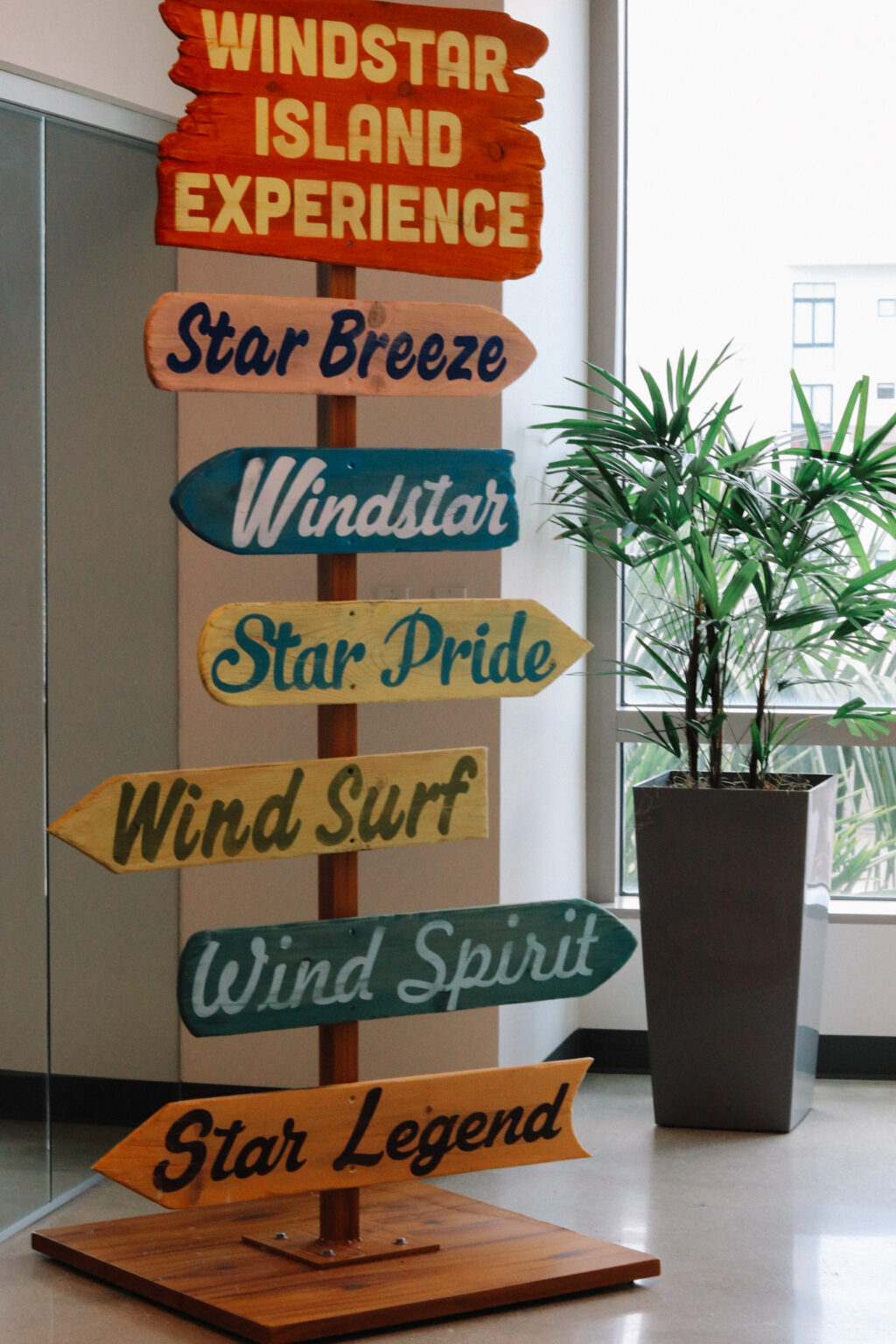
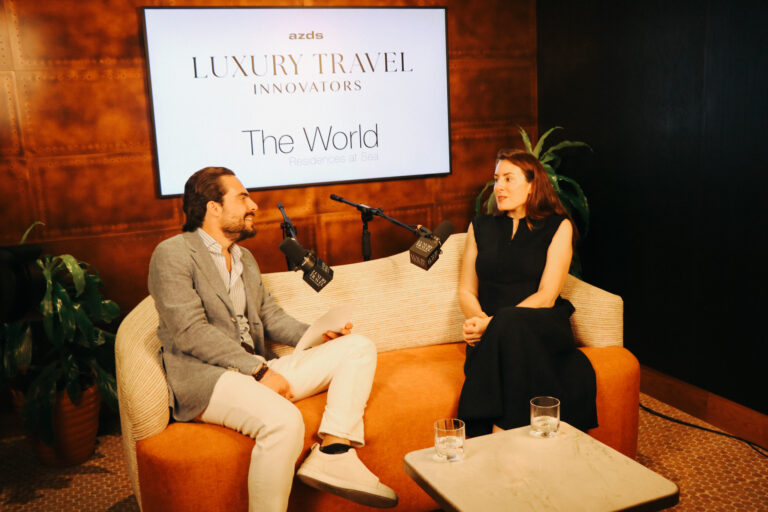
Some travel leaders build ships. Others build itineraries. Janet Bava, Chief Commercial Officer of Windstar Cruises, is focused on both—but ultimately, she believes the real product is the freedom to explore. I sat down with her at the colorful Windstar offices in Miami, Florida to learn more.
Growing up in Miami, the cruise capital of the world, Janet dreamed of entering the cruise industry after studying marketing and international business at Florida International University. More than 20 years later, her career has taken her from Royal Caribbean and Universal Orlando to luxury and river cruising with Silversea and AmaWaterways, before bringing her back to Miami with Windstar. Today, she oversees sales, marketing, the contact center, itinerary planning, revenue management, pricing, and promotions—a role she describes as “living the dream.”
That broad perspective gives her a particularly interesting view of why small-ship cruising is having a moment. Windstar has grown from three ships when it was acquired by Xanterra Travel Collection 12 years ago, to seven ships today, with an eighth sailing into the fleet. The appeal, Janet says, is simple: unpack once, see multiple destinations, and do it with a level of intimacy that larger ships cannot provide.
Windstar’s signature comes down to scale. Its yacht-style ships can access ports that larger vessels simply cannot, often docking close to city centers and staying overnight or for extended periods. In the Mediterranean, that might mean exploring the Greek Isles, Italy, Corsica, or Sardinia without feeling rushed. In Tahiti, where Windstar has sailed for nearly 40 years, guests can venture through the Society and Marquesas Islands. Even the journey between destinations becomes part of the experience, with guests able to swim directly from the ship’s marina into the clear waters of the Mediterranean or French Polynesia.
“We are the younger generation that’s also not waiting until we retire to take that epic trip.”
Seasonality is another part of the equation. Rather than fighting the crowds of European summer, Janet makes a compelling case for shoulder and winter seasons, when temperatures remain inviting but destinations are far less crowded. Imagine seeing Rome, Barcelona, or Florence with more breathing room, then spending warmer months sailing through coastal destinations that are difficult to reach by road or rail.
That flexibility also helps explain why Windstar is increasingly appealing to what Janet calls “cruise skeptics”—luxury travelers who may never have considered themselves cruisers. She sees the influx of brands like Orient Express, Aman, Four Seasons, and Ritz-Carlton into the yacht and cruise space not as competition, but as validation that travelers are looking for new ways to experience the world. For Windstar, the goal is to introduce them to a smaller, more intimate version of cruising and let the experience speak for itself.
The conversation naturally turned to the role of travel advisors, who represent roughly half of Windstar’s business. Janet describes advisors as essential partners who understand their clients and can identify who will thrive on a Windstar voyage. Technology is increasingly helping support that relationship, from making advisor transactions faster to using AI and data to better understand guests across marketing, social media, contact centers, and booking behavior.
Technology is only useful, however, when the underlying infrastructure is ready. For Windstar, much of the innovation is happening behind the scenes, helping the company become more guest-obsessed while making the booking journey easier. Even AI is being used creatively, including visualizing the experience of Windstar’s upcoming Star Explorer sailing beneath London’s Tower Bridge—a route possible because the ship is small enough to navigate rivers as well as oceans.
Ultimately, though, the heart of the conversation was not technology. It was connection. Janet believes travelers are prioritizing experiences, family, and memories over material purchases, and that the desire to explore is remarkably resilient. After more than two decades in the industry, she still sees travel as one of the best ways to learn, connect, and experience something beyond our everyday lives.
We closed with LTI’s signature rapid-fire questions. For personal travel, Janet is looking forward to sailing Windstar’s WindSurf through southern Italy, including Calabria and Puglia, a region close to her family. When looking back at the past glamorous days of travel, she misses a smoother air-travel experience. And the innovation she would most like to see when thinking about future innovation? A truly seamless luggage service that lets travelers explore the world without having to worry about carrying their bags—or losing them along the way.
Thank you, Janet, for joining me on this episode of Luxury Travel Innovators. The full episode is available to listen to and watch on Spotify, Apple Podcasts and Youtube.