Podcast
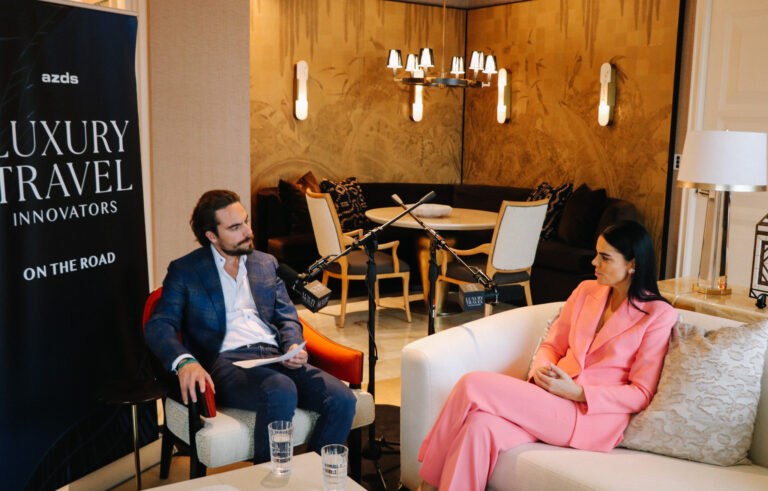
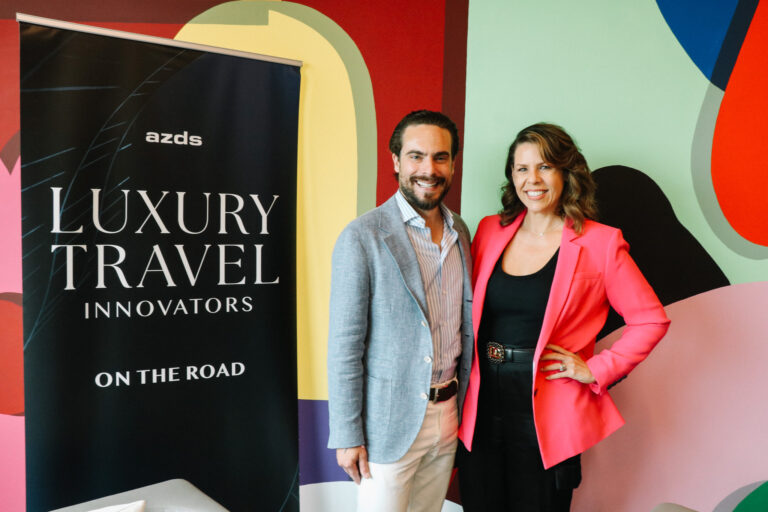
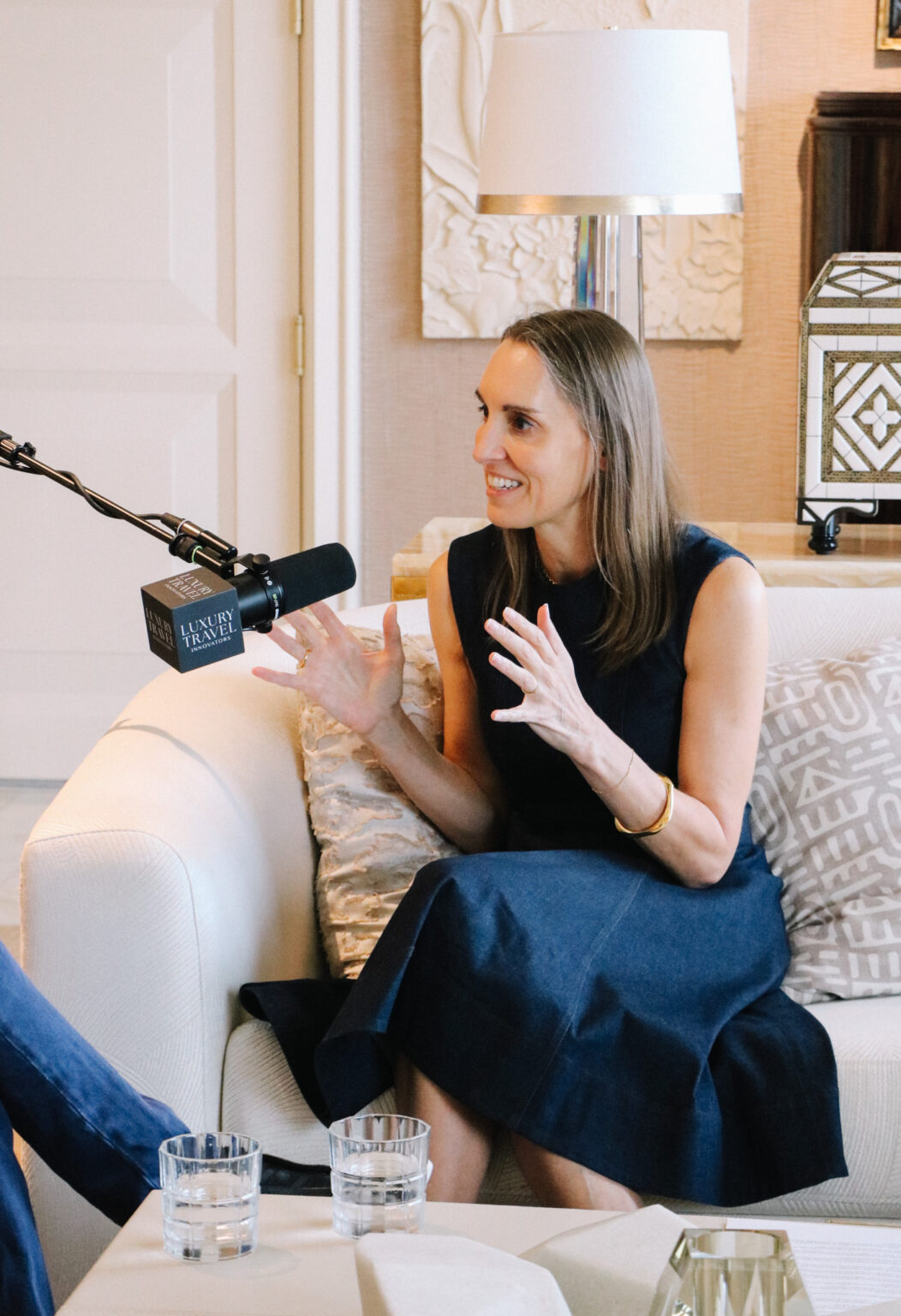
For Tamara Lohan, Global Brand Leader for Luxury at Hyatt, a career in luxury hospitality began not with a hotel company, but with a frustration. In the early 2000s, Tamara and her husband, James, were obsessed with hotels and constantly fielding questions from friends about where to stay next. But they found it surprisingly difficult to discover the boutique properties they believed were doing something truly special. That gap became the inspiration for Mr & Mrs Smith, which began as a printed guidebook before evolving into the digital booking platform it became known for.
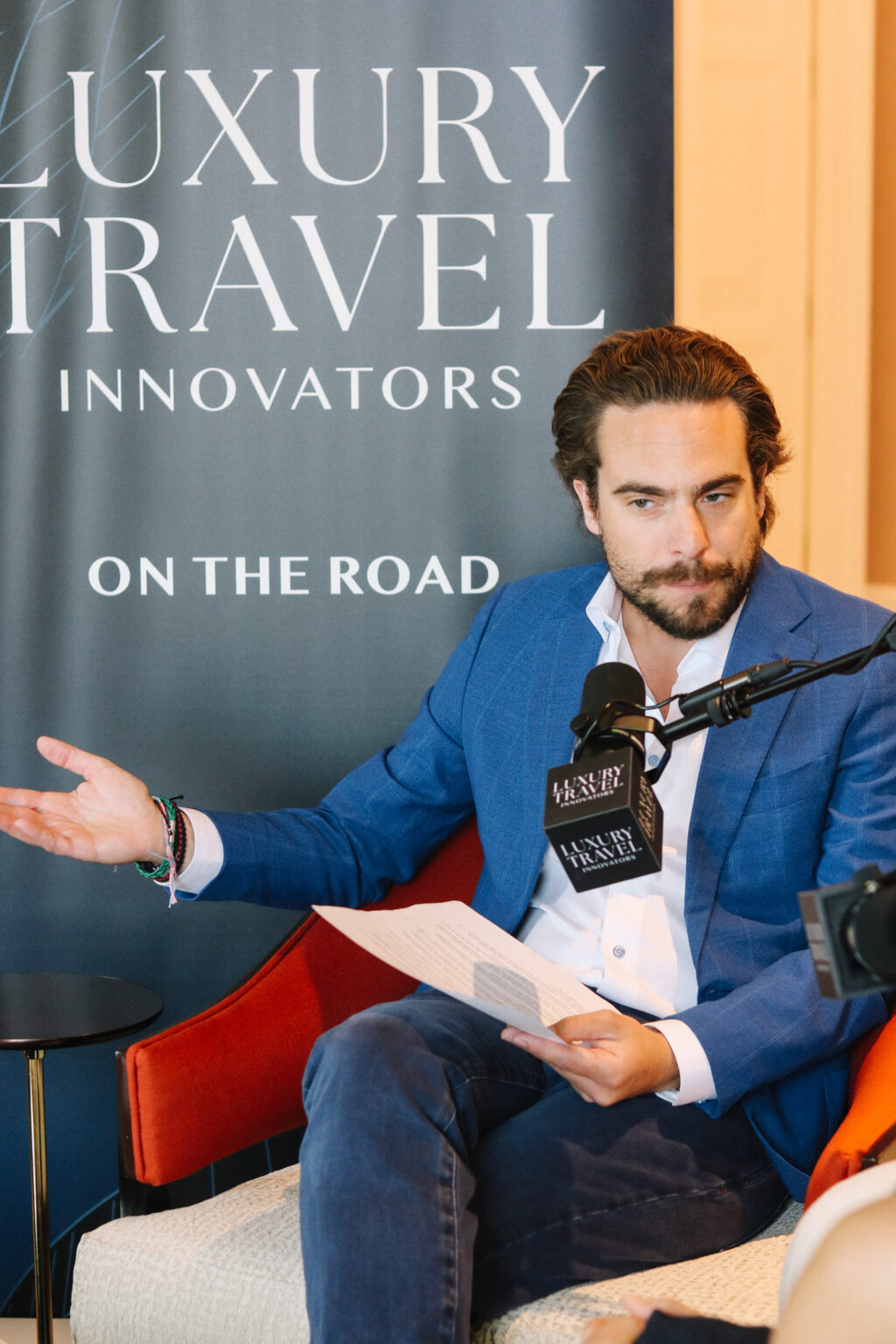
I sat down with Tamara to discuss her entrepreneurial journey from building Mr & Mrs Smith to joining Hyatt as part of acquisition, how brands can stand apart in an increasingly crowded luxury market, and why human connection remains essential as AI reshapes the future of travel. Along the way, we explored the importance of intentional service, the evolving expectations of luxury travelers, and how the industry can encourage more meaningful and responsible ways to discover the world.
What started as a passion project quickly became an exercise in entrepreneurship, curation, and challenging conventional ideas about how hotels should be presented. Tamara had already spent years working in marketing for global brands including Honda, Ford, Unilever, and Ericsson, where she developed an early fascination with technology and data. Travel, meanwhile, had been part of her life from childhood, when trips between her parents in Spain and England sparked a lifelong fascination with discovering new places.
That combination of marketing expertise and an instinct for travel eventually shaped Mr & Mrs Smith. The company began publishing its first book in 2003, then moved online just a few years later, ultimately building its own technology platform and connecting directly with hotel reservation and property management systems. But the technology was always in service of something more human: finding and showcasing hotels with a distinctive point of view.
For Tamara, the most compelling properties are those that could not simply be transplanted somewhere else. They are deeply connected to their location, their community, and the people who created them. That philosophy remains central to her work at Hyatt, particularly following Hyatt’s acquisition of Mr & Mrs Smith. The two portfolios complemented one another geographically and strategically, while Hyatt’s World of Hyatt loyalty program gave Mr & Mrs Smith properties access to a broader audience. Three years into the integration, roughly half of the Mr & Mrs Smith portfolio is available through Hyatt.com, allowing guests to earn and redeem World of Hyatt points.
Just as importantly, Tamara says, Hyatt has given the entrepreneurial brand a larger platform, particularly in the United States. That relationship reflects a broader shift within Hyatt as the company increasingly organizes its portfolio around distinct brand categories, including luxury, lifestyle, classics, and essentials. As the Global Brand Leader for Luxury, Tamara’s role is to ensure each brand remains distinct, ownable, truthful, and executable rather than getting lost in the sea of sameness created by endless hospitality buzzwords.
That same desire for authenticity extends to the guest experience. Tamara challenges the familiar idea of a hotel as a home away from home. A hotel, she believes, should offer something beyond the comforts of everyday life while still making guests feel immediately at ease. True luxury comes from creating environments where people can relax and be themselves, supported by thoughtful service that anticipates their needs before they ever have to ask.
She shares a memorable example from Park Hyatt Kyoto, where a guest rearranged the furniture in his room so he could sit and take in the view after a long flight. During turndown, the team noticed what he had done and resisted the temptation to return everything to its original position. Instead, they arranged the room around his preference, allowing him to continue enjoying the view. For Tamara, that small gesture captures the difference between following a service script and genuinely caring for a guest.
“The hotels of the future that will survive are the ones that still continue to put people at the center of their business.”
That human element becomes particularly important as technology and AI reshape hospitality. Tamara believes AI will fundamentally change the way travel businesses are built, particularly as agent-to-agent transactions become more sophisticated. But she also sees an enduring role for human expertise and curation. While technology can help travelers navigate an enormous amount of information, understanding individual tastes and earning trust remain essential to recommending the right places.
To close our conversation, I asked her LTI’s signature rapid fire questions. For personal travel, she’s heading to Belize with her family for the holidays. Looking back at the glamorous days of travel in the past, she remarks on how current over-touristed areas are taking away some of the magic of the experience, and how it’s important for brands to highlight the less-traveled destinations beyond the usual. Looking ahead at future innovation in the industry, she thinks hotels should work towards total personalization within the guest’s hotel room, working with AI agents to accommodate their preferences before arrival.
Thank you, Tamara, for joining me on this episode of Luxury Travel Innovators. The full episode is available to listen to and watch on Spotify, Apple Podcasts and Youtube.