Podcast
Episode 29: The Power of Precision and Giving Time Back in Modern Aviation with Tradewind
For decades, short-haul flying has been the most overlooked piece of the travel journey, but Tradewind’s success has proven it can be something far better: seamless, efficient, and unexpectedly refined.
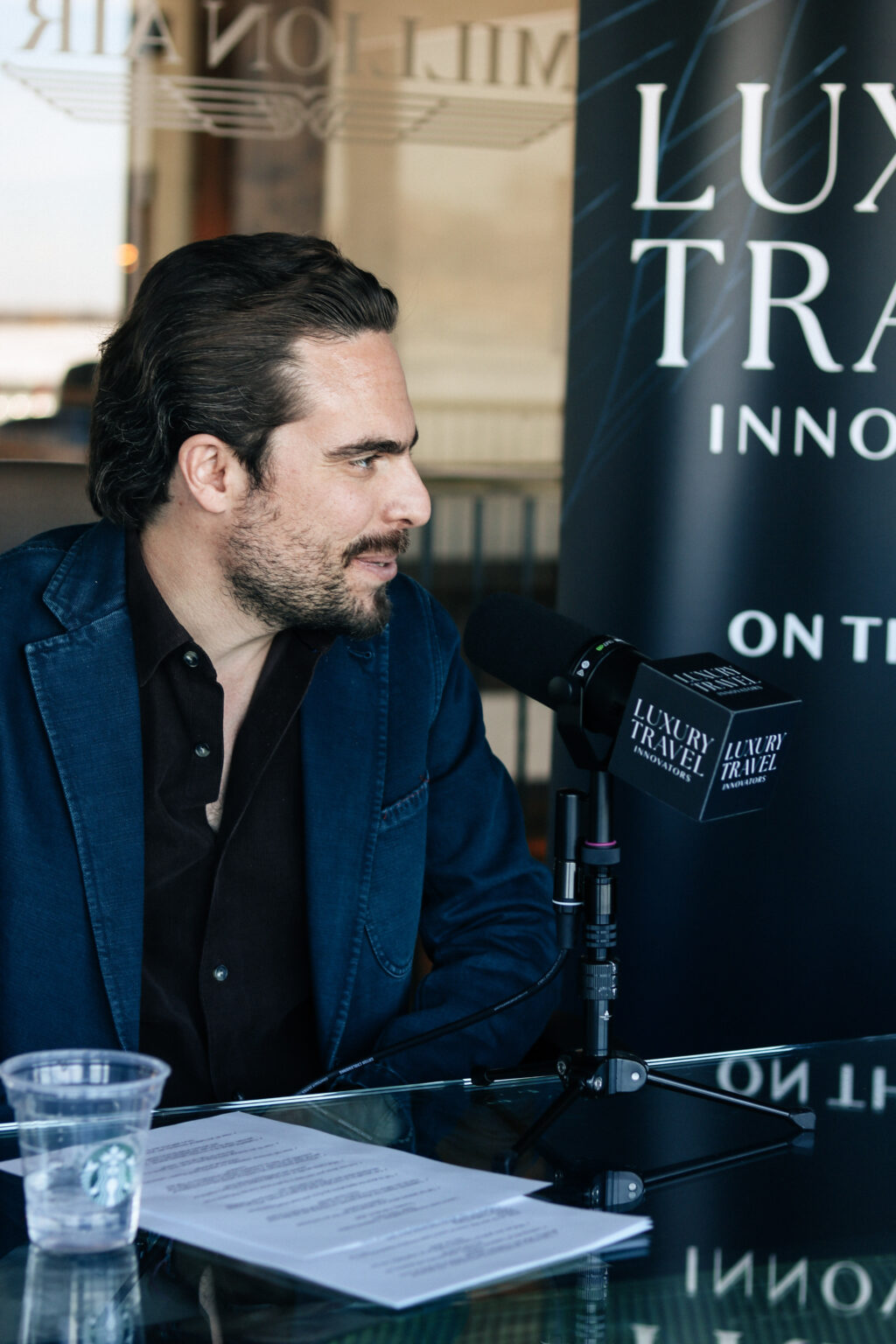
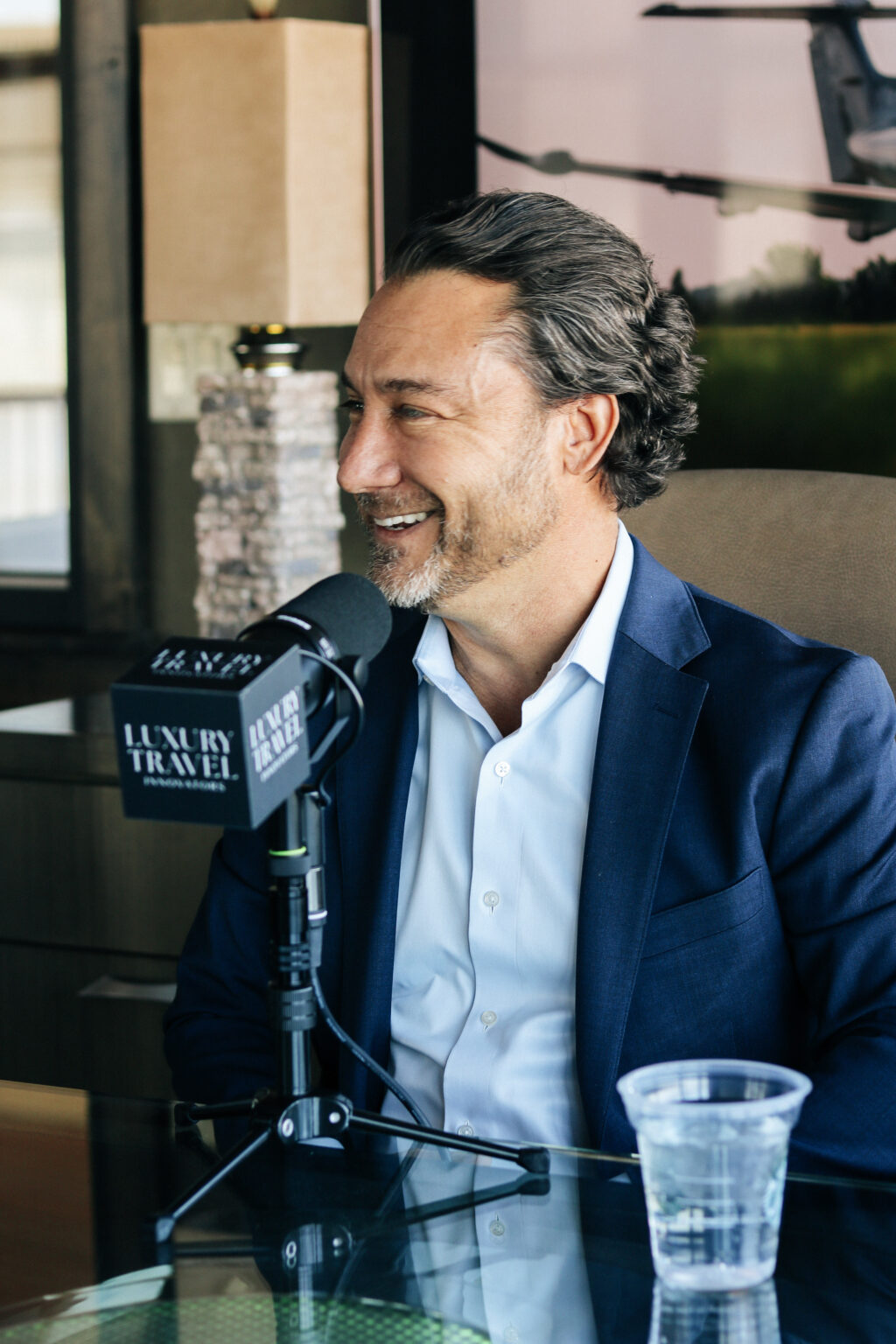
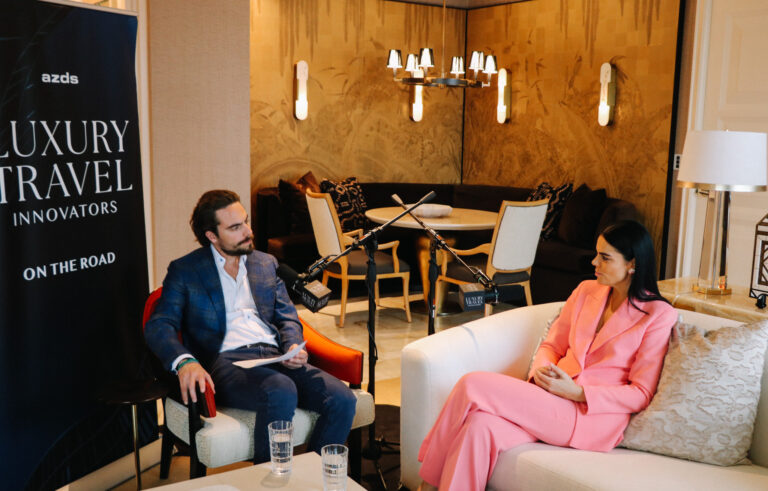
In this episode of Luxury Travel Innovators, I sit down with David Zipkin, Co-Founder and Chief Commercial Officer of Tradewind Aviation, to explore how the company has quietly built one of the most enduring and thoughtfully positioned models in regional air travel. As the conversation unfolds at Million Air FBO at Westchester County Airport, snow-dusted runways stretch out beyond the windows with one of Tradewind’s own Pilatus PC-12 aircraft sitting just outside—an understated but fitting backdrop for a brand defined by measured expansion and a clear understanding of where it can deliver the most value.
David traces the company’s origins back to something surprisingly simple: a childhood shaped by aviation, entrepreneurship, and a constant instinct to solve problems. Growing up, flying wasn’t a business, but rather something his family did for fun. Weekend trips on their 4C Cessna for a “$100 hamburger” to places like Nantucket and Martha’s Vineyard planted the early seeds, but the bigger influence came from his father, a self-made entrepreneur who approached the world through the lens of identifying gaps and building solutions. That mindset would ultimately define Tradewind’s trajectory. When David’s brother Eric began working for a small charter operator, it became clear that regional private aviation—particularly short-haul routes—was deeply underserved. What existed at the time was inconsistent at best, with older aircraft, minimal service standard, and in some cases, questionable safety practices.
Rather than trying to compete with large jet operators, the brothers focused on the short-haul gap. They acquired a single aircraft (famously without a formal business plan) and began flying anything they could: cargo in the middle of the night, ad-hoc passenger routes, whatever helped get the business off the ground. What quickly emerged, however, was a pattern. Travelers heading to the Northeast’s summer destinations were doing so repeatedly, often on the same schedules and with overlapping groups. When those customers began asking to share flights, Tradewind’s now-signature scheduled service model was born.
That scrappy beginning still informs how the company operates today, particularly in its commitment to measured, sustainable growth. In an industry where many entrants expand too quickly and collapse under the weight of operational costs, Tradewind has taken the opposite approach and is only growing as fast as the model can support. The result is a business that has steadily scaled to a fleet of more than 30 aircraft, operating a blend of scheduled and on-demand charter flights across the Northeast, Caribbean, and Florida.
Their philosophy becomes even more compelling in markets like the Caribbean, where Tradewind identified another clear mismatch. Destinations such as St. Barths offer some of the most refined luxury hospitality experiences in the world, yet historically required travelers to complete the final leg of their journey on outdated, inconsistent regional carriers. By introducing modern aircraft, a higher safety standard, and a hospitality-first approach, Tradewind effectively elevated the entire travel experience to match the destination itself. Today, the Caribbean operation is a cornerstone of the business, with San Juan serving as a hub that balances airline connectivity with a curated, private lounge experience that maintains the brand’s elevated feel.
A balance between efficiency and experience carries through every aspect of the operation. While the aircraft themselves are optimized for performance—favoring turboprops like the Pilatus PC-12 for their ability to access shorter runways and operate more efficiently than jets—the onboard experience is intentionally designed to feel anything but utilitarian. Instead, the emphasis is on consistency, comfort, and ease.
“Luxury isn’t about excess – it’s about removing friction from the journey.”
Internally, that same mindset shows up in the company’s culture, which David describes as deeply rooted in hospitality. Rather than viewing themselves purely as an aviation company, Tradewind positions itself as a service business that happens to fly airplanes. That distinction influences everything from hiring practices to training programs, with a strong emphasis on emotional intelligence, problem-solving, and giving employees the autonomy to create meaningful moments for travelers. Recognition plays a key role as well. Customer feedback is shared widely across the organization, reinforcing the behaviors that define the brand.
Even in areas like pilot recruitment, Tradewind has taken a pragmatic, long-term view. Acknowledging that many pilots ultimately aspire to fly for major airlines, the company has built structured pathways in partnership with carriers like JetBlue and United. These programs provide pilots with a clear career trajectory while giving Tradewind greater visibility into staffing and retention—an important advantage in an industry often challenged by shortages.
Technology, too, is approached with a similar sense of balance. While Tradewind invests heavily in tools that improve operational efficiency (particularly in areas like flight tracking, scheduling, and proactive communication) the goal is never to replace the human element. In fact, David is explicit about resisting the industry trend toward fully automated customer service. Instead, technology is used to enhance responsiveness and anticipation, allowing the team to step in earlier and more effectively when disruptions occur. AZDS’s long-term digital marketing partnership with Tradewind also supports these efforts.
That becomes especially critical in the charter side of the business, where unpredictability is the norm. Unlike traditional airlines with fixed schedules, Tradewind must constantly optimize aircraft routing, crew assignments, and logistics in real time. As the fleet has grown, this has become an increasingly complex puzzle, one that the company is now beginning to solve with AI-driven tools. By improving how flights are sequenced and reducing inefficiencies like empty legs, these systems have the potential to significantly impact both cost structure and customer experience.
Despite these technological advancements, the human layer remains essential, particularly when it comes to distribution. Travel advisors continue to play a pivotal role in Tradewind’s ecosystem, especially in the Caribbean market. Their ability to curate entire journeys makes them invaluable partners, ensuring that each trip feels cohesive rather than fragmented. That integration into a broader luxury travel network has been a key driver of long-term success.
Looking ahead, the company’s growth strategy remains consistent with its origins: deliberate, focused, and grounded in solving real traveler needs. Expansions in Florida and the Bahamas are already underway. At the same time, there’s growing interest in applying the model to more business-oriented travel corridors, where time savings can be just as valuable than leisure convenience. Through it all, one idea remains constant: time is the ultimate luxury. Whether flying to a weekend home, a remote island, or a same-day business meeting, the true value lies in minimizing the friction of getting there. By focussing on that singular objective (and building an experience around it) Tradewind has managed to redefine what regional air travel can be.
To close, we wrapped up with LTI’s signature rapid fire questions. For personal travel, David and his brother are taking a heli-skiing trip out to Western Canada. Looking at travel in the past, he misses the civility (more often than not reflected in the way travelers dress to fly) which, in his perspective, points to the decline in service level. Looking towards the future, David remarks on the industry-wide desire for a development of technology that holistically puts a trip together, from end-to-end.
Thank you, David, for joining me on this episode of Luxury Travel Innovators. The full episode is available to listen to and watch on Spotify, Apple Podcasts and Youtube.