Podcast
Episode 31: Inside Ponant’s Expanding World of Exploration
In a world where travel has become increasingly crowded and homogenized, the real luxury lies in access, authenticity, and the ability to experience something truly distinct.
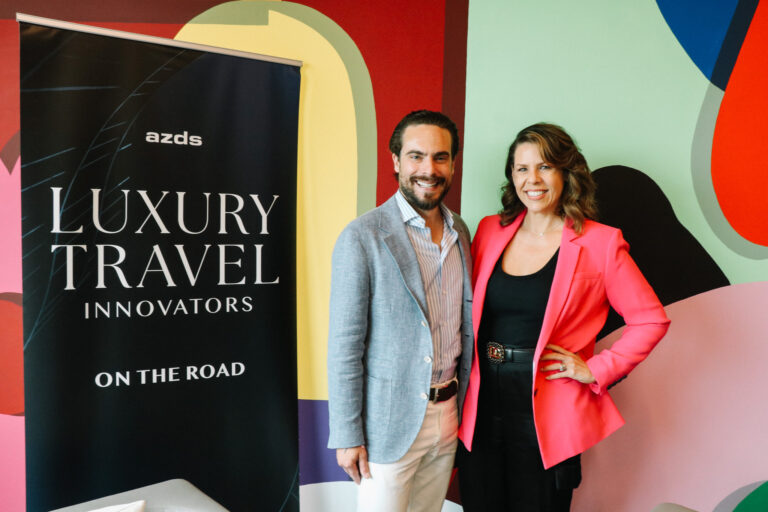
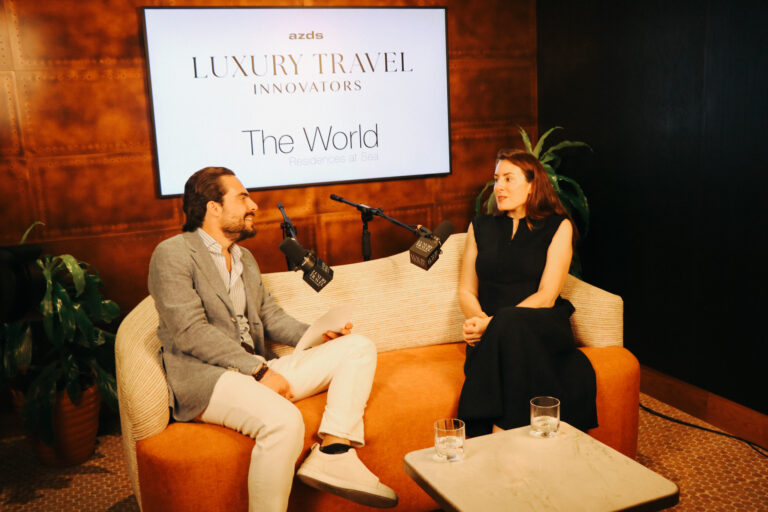
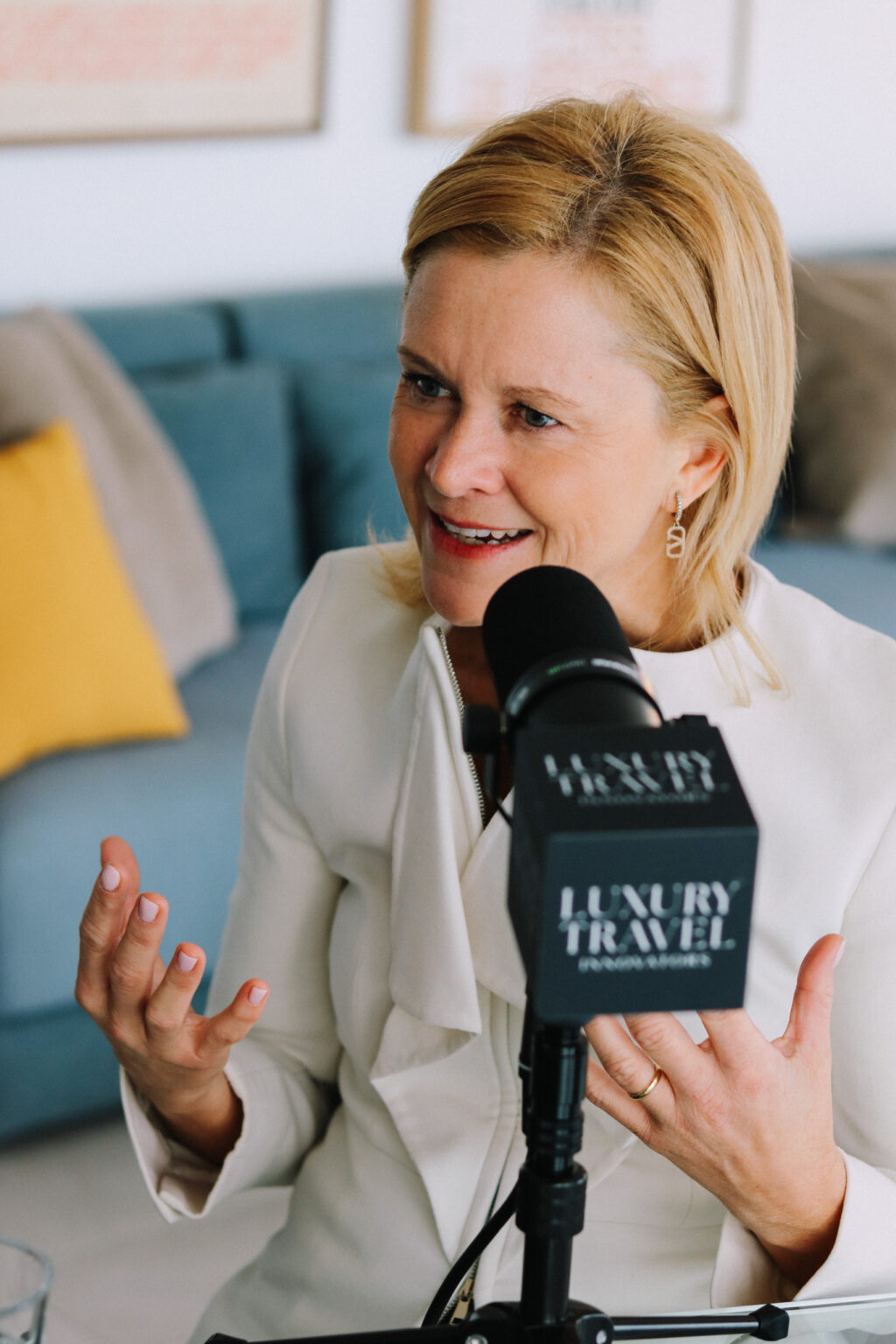
Joining me on a clear blue-skied day along the Côte d’Azur, Belinda Hindmarsh, Deputy CEO of Ponant Exploration Group, offers a compelling look at how modern expedition travel is being redefined—less as “cruise” and more as a seamless blend of exploration, cultural immersion, and refined comfort. Many luxury brands are dipping their toes into the cruising space, but Ponant leads the way with an innovative and a high-touch approach.
Belinda’s journey into the role is itself a reflection of the brand’s ethos. Raised in New Zealand with a deeply ingrained appreciation for nature and global exploration, her path took her through airlines, online travel giants, and corporate travel before an unexpected pivot into expedition cruising. Initially skeptical of the category, she quickly discovered Ponant’s fundamentally different approach, centered not on scale, but on access, intimacy, and purpose-driven travel. That distinction continues to shape how the brand positions itself today: not as a traditional cruise line, but as an exploration company offering journeys to places simply can’t reach otherwise.
That positioning becomes even clearer when considering the competitive landscape. Rather than competing directly with large-scale cruise operators, Ponant often finds itself aligned more closely with high-end safari experiences or bespoke land expeditions. The shared mindset among these travelers is a desire to go beyond the expected—to venture off the beaten path while still maintaining a level of comfort and expertise that makes the journey feel safe and deeply enriching. Ponant’s “in-between” position (rugged exploration with refined onboard experiences) has become a defining strength.
This shows in the product itself. Guests might spend the day navigating remote terrain via Zodiacs or engaging with local communities in un-dockable destinations, only to return to a ship that feels distinctly residential in scale, with a French sensibility. With 32 to 264 passengers on board (depending on the size of the vessel), the experience is intentionally designed to feel fluid and unstructured, more akin to independent travel than regimented cruising. That sense of freedom is often the key to converting travelers who claim they are “not cruise people.”
“You wake up every morning in a different, extraordinary place—and you never have to unpack twice.”
The breadth of Ponant’s global footprint further reinforces its differentiation. With over 400 itineraries spanning all seven continents, the brand operates less like a fixed-route cruise line and more like a constantly evolving network of exploratory journeys. From French Polynesia, anchored by the iconic Paul Gauguin, to the Arctic voyages aboard Le Commandant Charcot, demand continues to grow for meaningful destinations that feel remote (learn more in episode 2 with Sam Chamberlain). Increasing interest has grown in the U.S. market as awareness builds around Ponant’s unique ability to reach the geographic North Pole. Other popular closer-to-home itineraries like winter sailing along Canada’s St. Lawrence River highlights a broader trend: the appeal of highly distinctive experiences that don’t necessarily require long-haul travel, yet still deliver a sense of discovery and exclusivity.
Partnerships with organizations like The Emperors Club and Smithsonian Journeys help to emphasize enrichment across the entire experience. Even cuisine becomes part of the narrative, with French culinary traditions serving as both a point of differentiation and a continuation of the brand’s heritage. The recent addition of Aqua Expeditions expands this vision, bringing highly immersive, small-scale river and coastal experiences in destinations like the Amazon and Mekong under the broader Ponant umbrella. The alignment is less about scale and more about shared philosophy: deep destination expertise, strong local connections, and a commitment to creating experiences that feel transformative.
Behind the scenes, the complexity of delivering these experiences is immense. Fleet planning alone resembles a constantly shifting puzzle, balancing geography, seasonality, sustainability, and guest demand. It’s here that emerging technologies like AI are beginning to play a role—not in replacing the human touch that defines the onboard experience, but in optimizing the operational backbone that supports it. From itinerary design to pricing and maintenance, the potential for smarter, more efficient decision-making is significant.
Still, Belinda is clear that technology should never come at the expense of personalization. On ships of this size, the human element remains paramount. Crew members know guests by name, anticipate preferences, and create a level of familiarity that larger operations simply can’t replicate. At its core, Ponant’s future ambition is straightforward: to keep pushing the boundaries of where travel can go, while ensuring that how it feels remains just as exceptional.
We ended the conversation with LTI’s signature rapid fire questions. For personal travel, Belinda will be heading to Phuket to celebrate her father’s 80th birthday. Looking back at the glamorous days of travel, she remarks on missing the sense of space and personality. With consolidation and mergers, the quirky authenticity of independent hotels that gives a destination a sense of place has been a bit watered down. Looking forward, Belinda thinks a lot more can be done with true value in loyalty offerings. Also, she’d like to see accessible space travel come to fruition.
Thank you, Belinda, for joining me on this episode of Luxury Travel Innovators. The full episode is available to listen to and watch on Spotify, Apple Podcasts and Youtube.