Podcast
Episode 39: Building the Future of Saudi Tourism in the Original House of Saud
As Saudi Arabia emerges as one of the world’s most ambitious luxury travel destinations, Diriyah offers a compelling reminder that the future of hospitality is strongest when it is rooted in the culture, history, and people of a place.
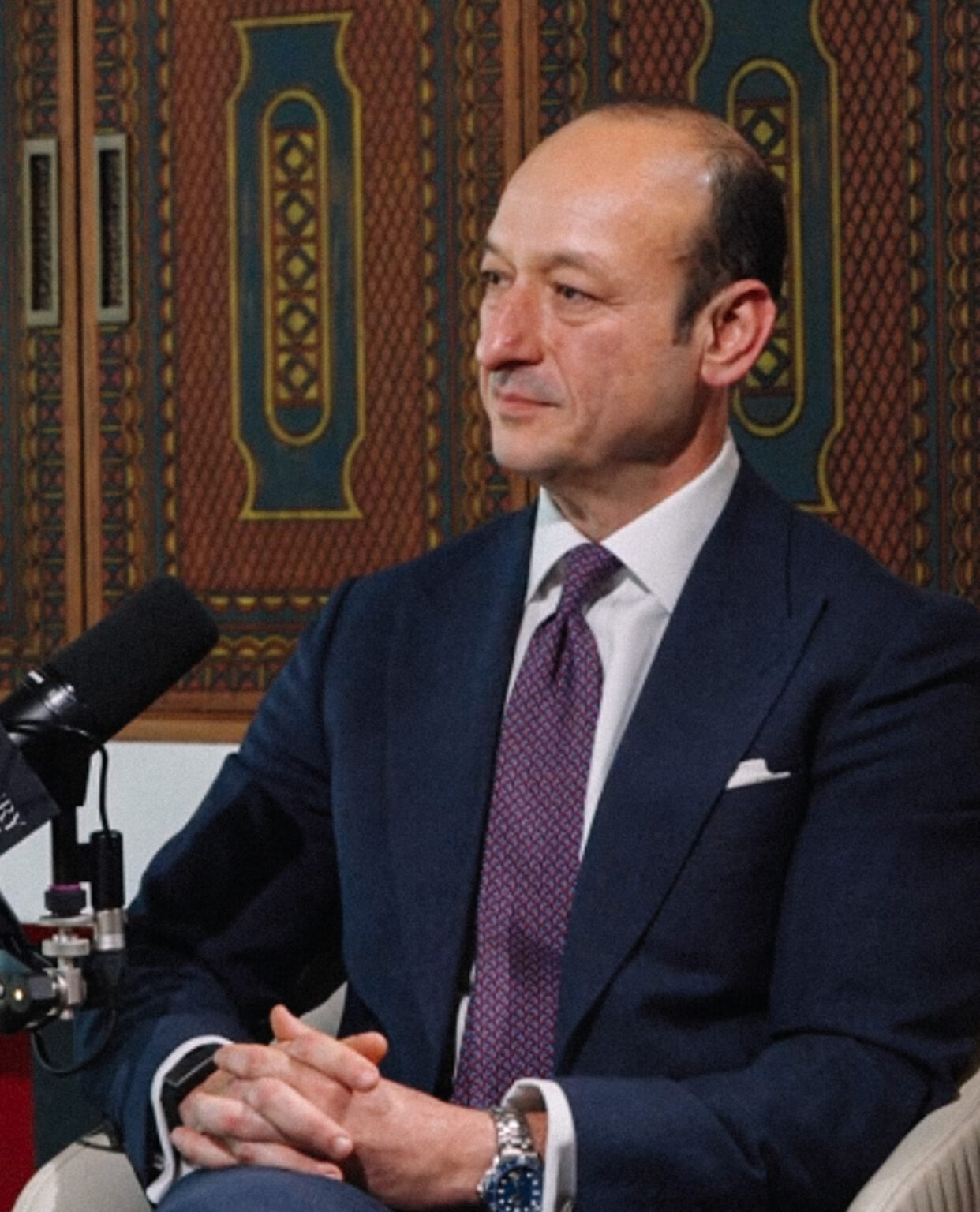
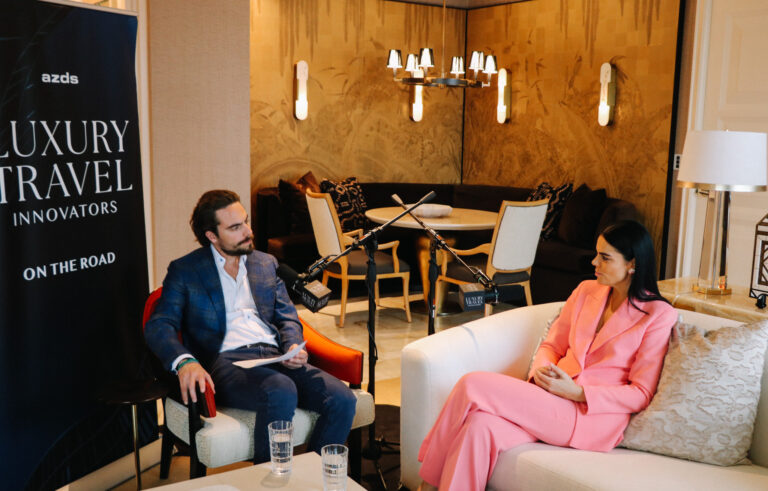
If there is one word that kept coming up throughout my conversation with Imran, it was hospitality. Sitting in Wadi Safar in Riyadh, surrounded by a destination that is changing daily, it would have been easy to focus solely on the scale of what is being built. And the scale is extraordinary. But what makes Diriyah different is not simply the number of hotels, residences, cultural institutions, or square kilometers under development. It is the effort to build an entirely new destination while remaining deeply connected to the history and culture that came before it.
Imran has been part of that story for nearly seven years, an opportunity he describes as once in a lifetime. Having been born and raised in Riyadh before leaving Saudi Arabia at 20, returning to help shape Diriyah has also been a deeply personal full-circle moment. At its heart, he explained, this isn’t simply a real estate development. Diriyah is being built around the birthplace of the Kingdom, with the heritage and history of At-Turaif serving as its anchor.
The ambition is difficult to comprehend without seeing it firsthand. The development spans roughly 74 square kilometers across Diriyah 1, Diriyah 2, and Wadi Safar, with plans for more than 100,000 residents, over 40 hotels and resorts, 15 branded residences, major cultural institutions, retail, offices, education, sports, and an opera house. But the goal isn’t to create a collection of attractions. It is to create a living, walkable city where people work, live, gather, and experience culture.
That idea of creating a destination for people, rather than simply a destination for visitors, extends to the people building it. Saudi talent is playing an increasingly significant role across the organization, including in hospitality design, development, and delivery. Diriyah is also working with its international hotel partners to create opportunities for Saudi professionals to gain experience with global luxury brands, while investing in advanced hospitality education.
For Imran, that investment matters because hospitality itself is deeply ingrained in Saudi culture. He shared stories of growing up in a household where the best food, linens, and cutlery were reserved for guests, and where hospitality meant putting the needs of visitors before your own. It’s not something that can simply be taught in a training program. It’s something that is lived.
“You put your best foot forward. That is Saudi hospitality.”
That philosophy resonated throughout our conversation. We talked about the small gestures that make travelers return: remembering someone’s favorite coffee, noticing how much water they drink, or helping them find something they couldn’t find anywhere else. Imran summed it up perfectly: people may forgive a product that isn’t perfect, but they remember how you made them feel. In an industry increasingly focused on technology, personalization, and innovation, that human element remains at the center.
And there is plenty of innovation happening around that foundation. Diriyah Company’s hotel portfolio is an extraordinary collection of global luxury brands, with Oberoi opening next in Wadi Safar, followed by brands including Capella, Montage, Chedi, Faena, Raffles, AMAN, and Ritz-Carlton. Yet even as the destination looks toward 2030 and beyond, the past remains visible everywhere. At-Turaif became a UNESCO World Heritage Site in 2010, and the development is intentionally rooted in Najdi architecture and the traditional ways of building that evolved to work with the region’s climate. Courtyards, natural ventilation, shaded walkways, and locally inspired materials are being reinterpreted for a modern city.
That same philosophy extends to sustainability. Diriyah has received a master plan-wide LEED Platinum certification, while millions of trees and shrubs are being planted throughout the destination. The vision encompasses environmental sustainability, but also economic and social sustainability: creating jobs, developing talent, improving quality of life, and building something designed to last well beyond the people creating it today.
We also looked beyond Diriyah at the transformation happening across Saudi Arabia, from the Red Sea and AlUla to Qiddiya City, the new King Salman International Airport, and the growing connectivity that is making the Kingdom increasingly accessible to international travelers. With the Asian Cup in 2027, Expo 2030, and FIFA World Cup 2034 on the horizon, the momentum is unmistakable.
But perhaps the most interesting part of our conversation came back to the traveler. Imran sees an opportunity to make the journey itself easier, connecting everything from hotels and restaurants to transfers, wellness, retail, and activities through a more integrated destination experience. AI, he believes, can play an important role too, not by replacing hospitality, but by helping teams understand preferences and deliver more meaningful personalization.
Ultimately, that may be the most exciting part of what is happening in Saudi Arabia. The future being built here is undeniably ambitious and technologically advanced, but its strongest foundation may be something much older: a culture of generosity, pride, curiosity, and genuine hospitality. And if Diriyah succeeds in carrying that spirit into the future, it won’t just create a new destination. It will introduce the world to a very old one in an entirely new way.
To wrap up, I asked LTI’s signature rapid fire questions. For personal travel, Imran and his wife will be finding their next deep sea diving destination along the beautiful coastline of Tabuk. When asked about the glamorous days of travel in the past, he remarked on how every era has its own distinct element, and the key is to enjoy the moment in which you live. Looking forward towards future innovation, Imran called out the need for seamless booking while trip planning, including hotels stays, dinner reservations, and retail bookings.
Thank you, Imran, for joining me on this episode of Luxury Travel Innovators. The full episode is available to listen to and watch on Spotify, Apple Podcasts and Youtube.