Podcast
Episode 28: The Future of Travel Storytelling with AFAR
What began as a pair of spontaneous trips evolved into a travel publication built on a simple belief: travel has the power to make both individuals and the world better.
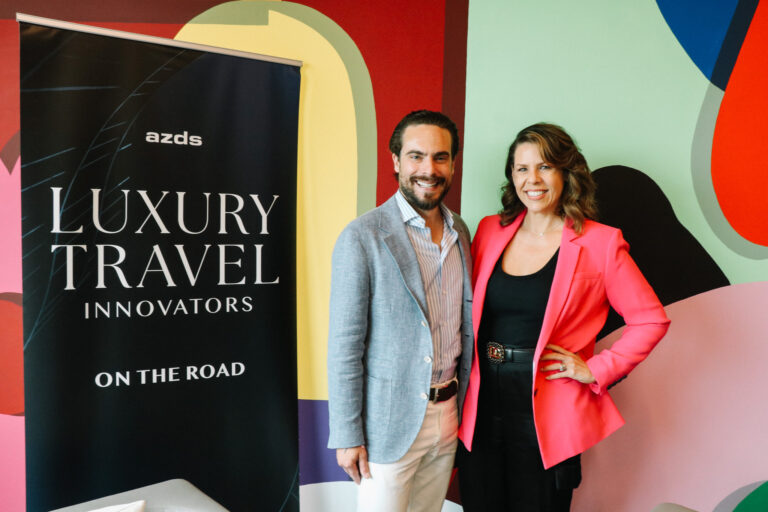
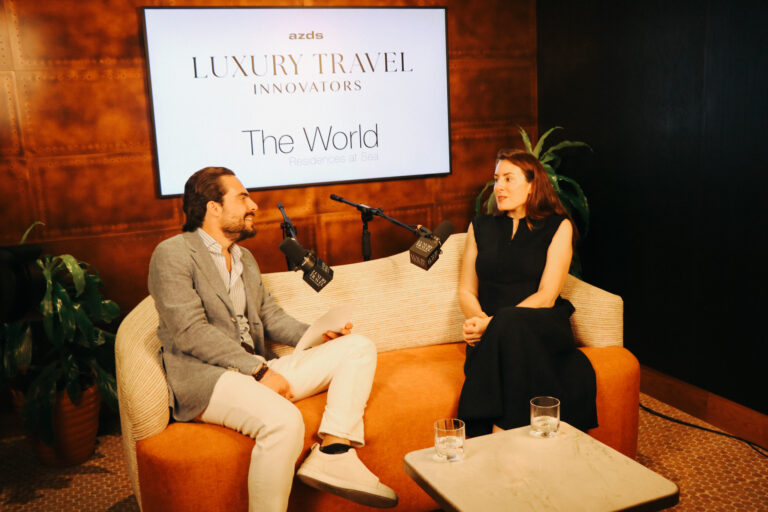
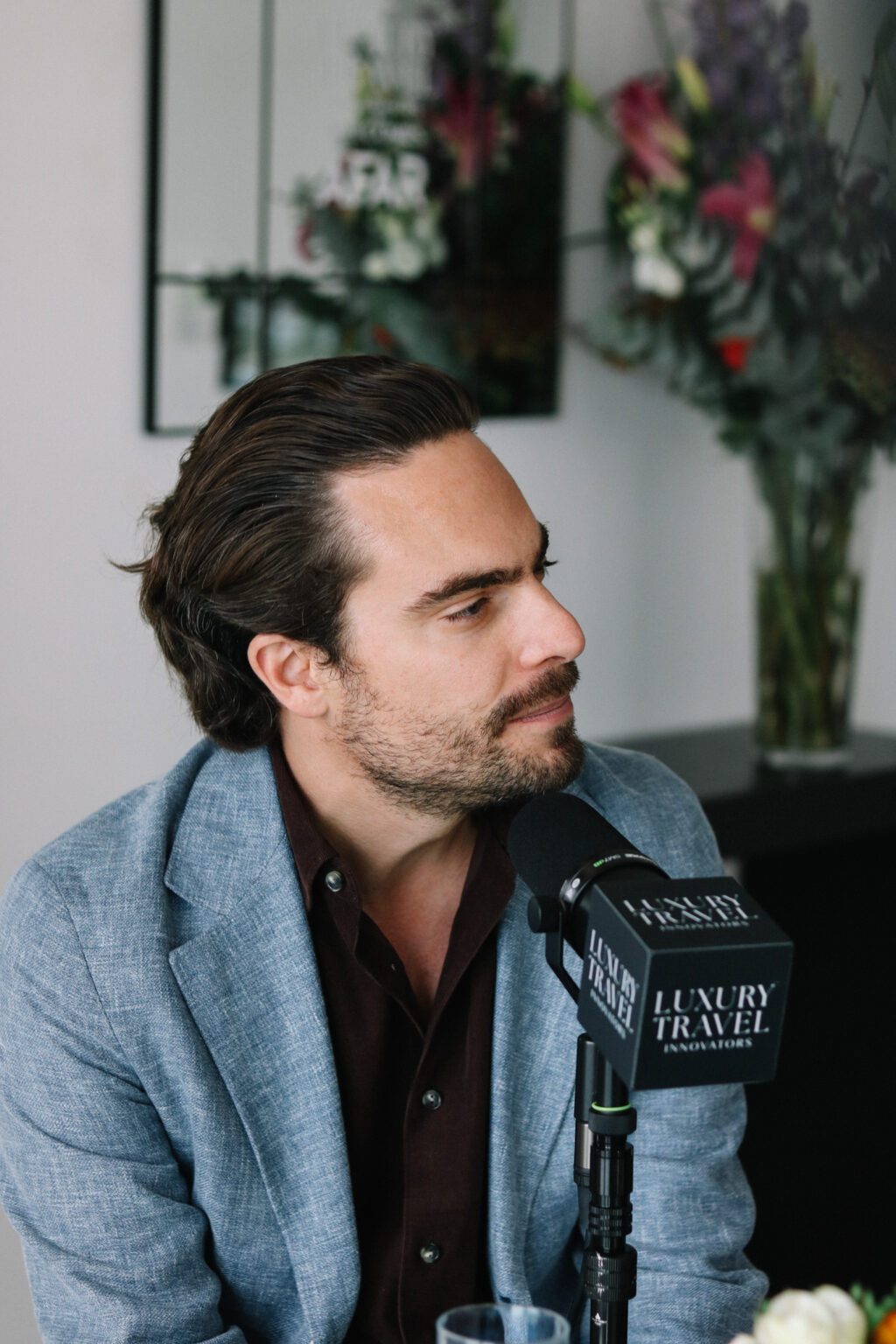
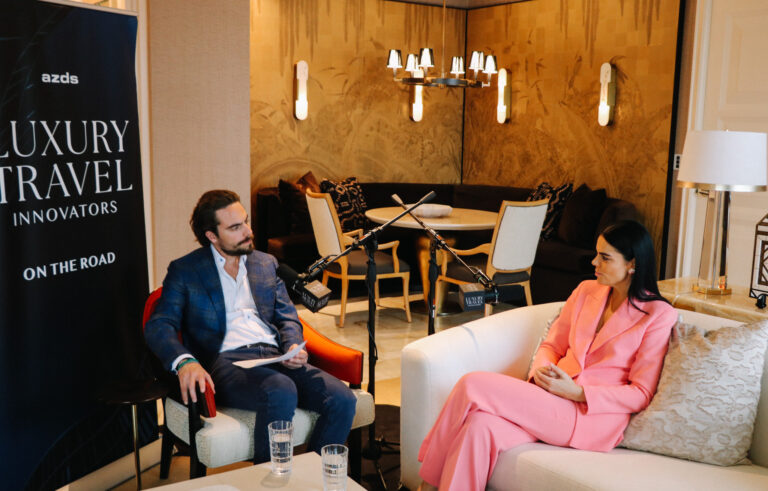
With the glistening waters of the Côte d’Azur in view, Joe Diaz, co-founder of AFAR, joined the Luxury Travel Innovators team in Cannes to reflect on the unlikely origin story behind one of travel media’s most influential brands—and the philosophy that still drives it nearly two decades later.
Neither Joe nor his co-founder Greg Sullivan came from travel or publishing. After running separate entrepreneurial ventures, the two friends set out on exploratory trips, first through Argentina and Chile, then across India, with little more than plane tickets and a willingness to follow local connections. Those journeys sparked a realization: the travel media landscape lacked a brand that spoke to curious, globally minded travelers seeking deeper engagement with the places they visited. In 2009, that idea became AFAR.
From the beginning, AFAR’s mission extended beyond inspiration. Joe drew heavily on his earlier experience with Teach for America, where he taught fifth grade in Phoenix. That time shaped his belief that exposure to the wider world can fundamentally change a person’s trajectory. This perspective led to the creation of Learning AFAR, a program designed to introduce underserved students to international travel as an educational experience. Since its launch, the initiative has sent more than 1,600 students abroad and raised millions to fund these life-changing opportunities.
“Travel broadens perspective, builds empathy and strengthens communities.”
AFAR helped popularize the concept of experiential travel long before it became industry shorthand. In the early years, Joe recalls that searching the phrase online returned almost no results. Today, the idea is embedded across the entire travel industry—from luxury hotels to cruise lines—all emphasizing immersive experiences and local connections. Yet AFAR’s editorial focus remains consistent: travel stories rooted in people.
Joe believes the most compelling travel journalism emerges from human interaction rather than scenic perfection. A powerful travel story isn’t about the view from a hotel suite; but rather, it’s about the individuals, cultures and unexpected moments that shape the journey. One such example was AFAR’s “Spin the Globe” assignment, where writers travel to randomly selected destinations. In one memorable case, a blind writer navigated Cairo during the aftermath of the Arab Spring by simply grabbing the elbow of strangers willing to guide him, resulting in a story that captured the profound role of trust and human connection in travel.
Like many industries, travel is navigating the rapid rise of AI. Joe sees it less as a replacement for human creativity and more as a tool to enhance it. At AFAR, AI is used to support research, analyze data and help surface relevant content for travelers. But one rule remains firm: AI does not write the magazine’s stories. Joe also believes AI may reshape how travelers discover hotels and destinations. Instead of static “best of” lists, future recommendations could become deeply personalized, tailored to a traveler’s preferences, trip type and timing. AFAR’s partnership with Mind Trip is one the Joe hopes strikes the balance of turning inspiration into action with trip planning.
Reflecting on recent industry trends, Joe noted a growing challenge within luxury travel: homogenization. Across hotels, cruise lines and destinations, branding and messaging can often blur together. The brands that succeed moving forward will be those that rediscover their unique identity and communicate it with clarity and confidence. In an increasingly automated world, differentiation may ultimately come down to the very thing technology cannot replicate—human authenticity.
We wrapped up our conversation with LTI’s signature rapid fire questions. For personal travel, Joe is taking a Caribbean cruise from San Jose to Miami on Explorer 1. Looking at the glamorous days of travel, he wished the art of dressing up for plane travel was more widely adopted. No need for a full suit, but is a pair of actual pants too much to ask? Looking towards the future, he wishes that more hotel rooms would adopt steamers over traditional irons, calling out Pendry Baltimore’s individual travel steamers from a recent stay.
Thank you, Joe, for joining me on this impactful episode of Luxury Travel Innovators. The full episode is available to listen to and watch on Spotify, Apple Podcasts and Youtube.